


A project beyond the project
There are projects. And then there are those that reveal a broader movement.
PolyProcess is one of them, not just as a technology, but as a point of convergence between field, transformation, and investment.
The tipping point: transformation
For several months now, key players in the plant value chain have been sharing the same observation: the potential is there, the expertise is there, but structuring is missing.
This is exactly where PolyProcess positions itself, where transformation becomes the tipping point, where value is created, yet still too often fragmented, difficult to access, and not sufficiently readable for investors.
A convergence of actors
The project is built on the complementarity of key players
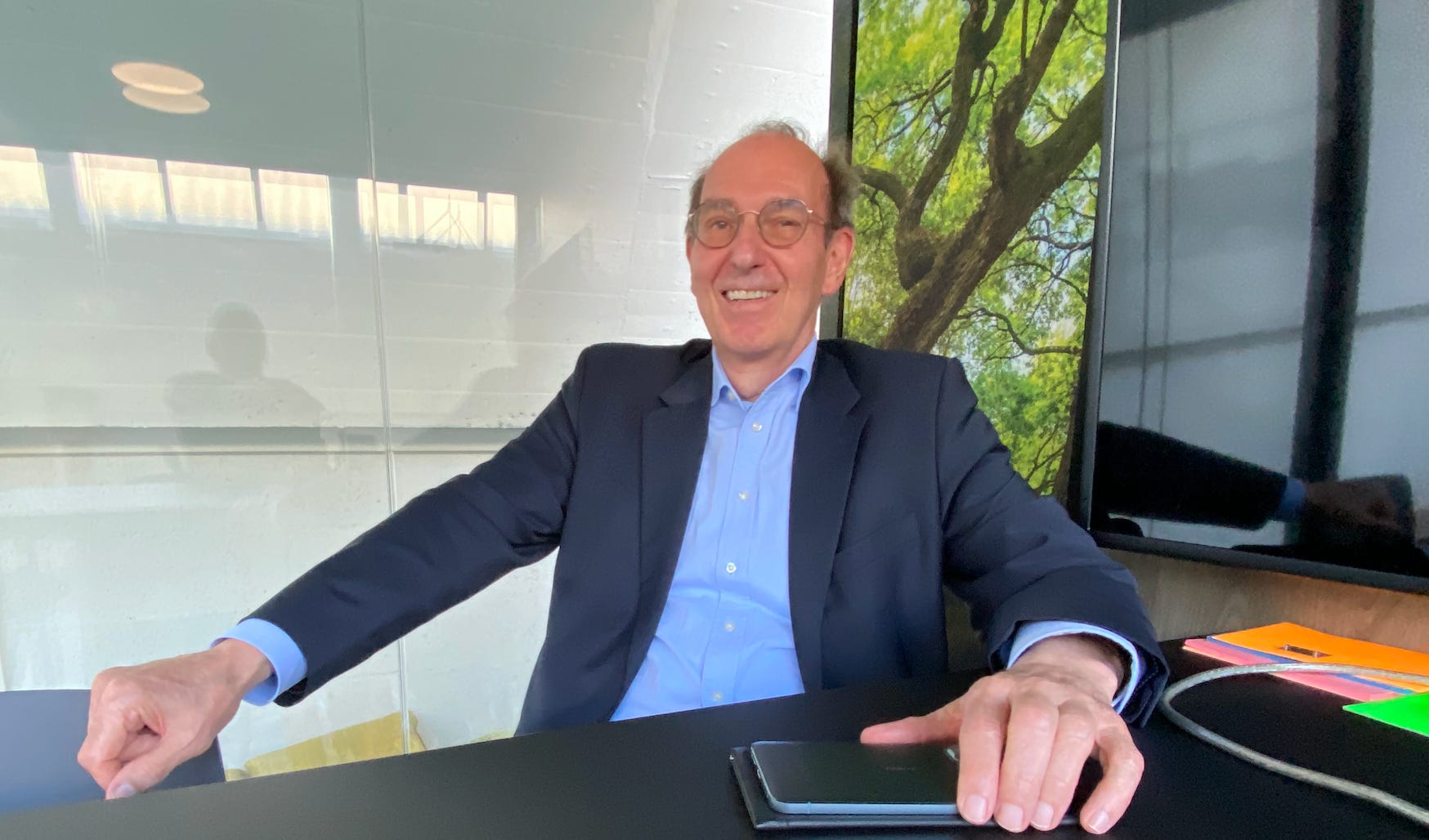
Kurt Lehmann for financial structuring and investor relations,


Benoît Pinel for technical expertise,
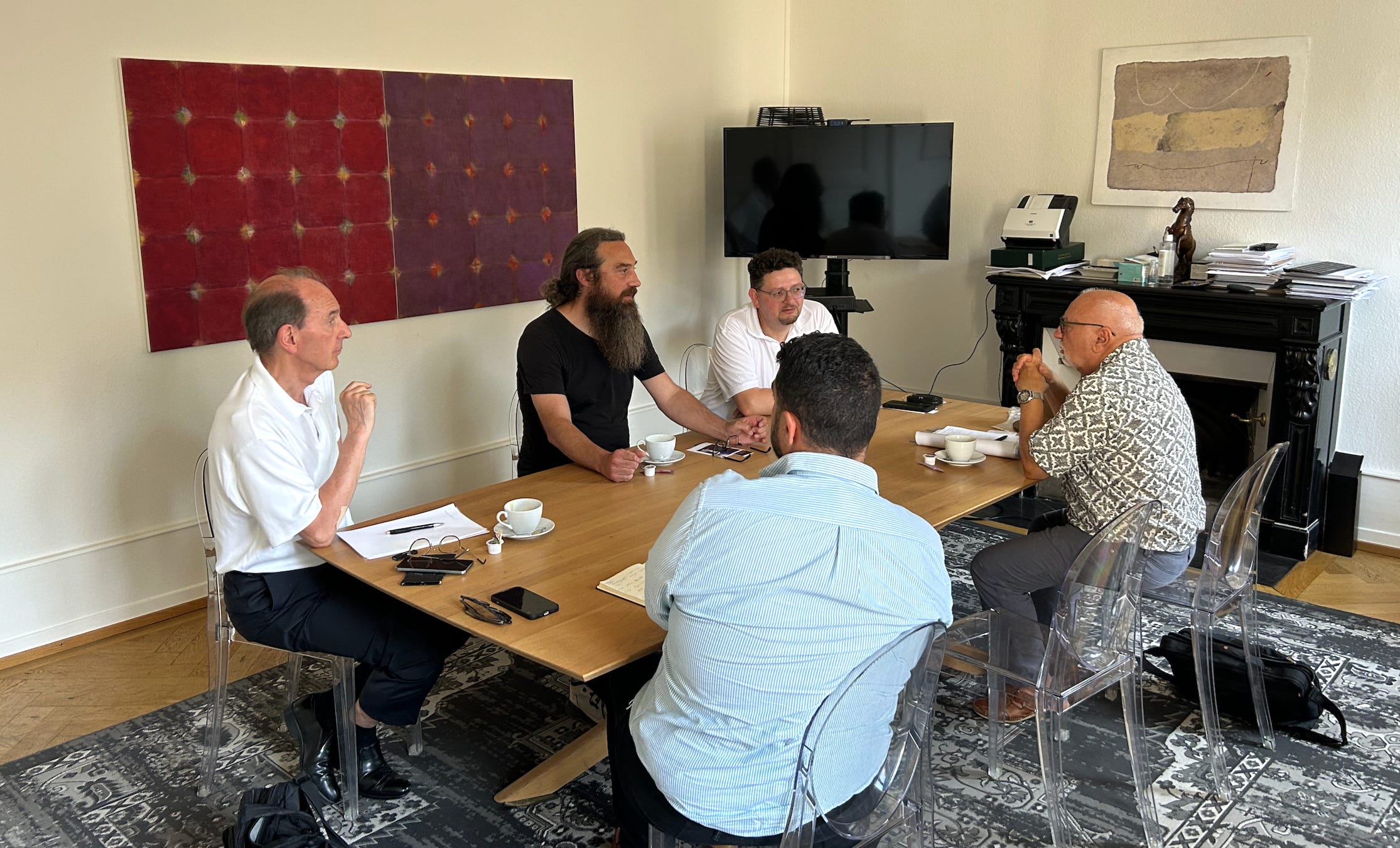
and the experts of OMEI who, beyond engineering, identify and bring forward opportunities wherever they operate, in direct contact with projects, territories, and real-world use cases.
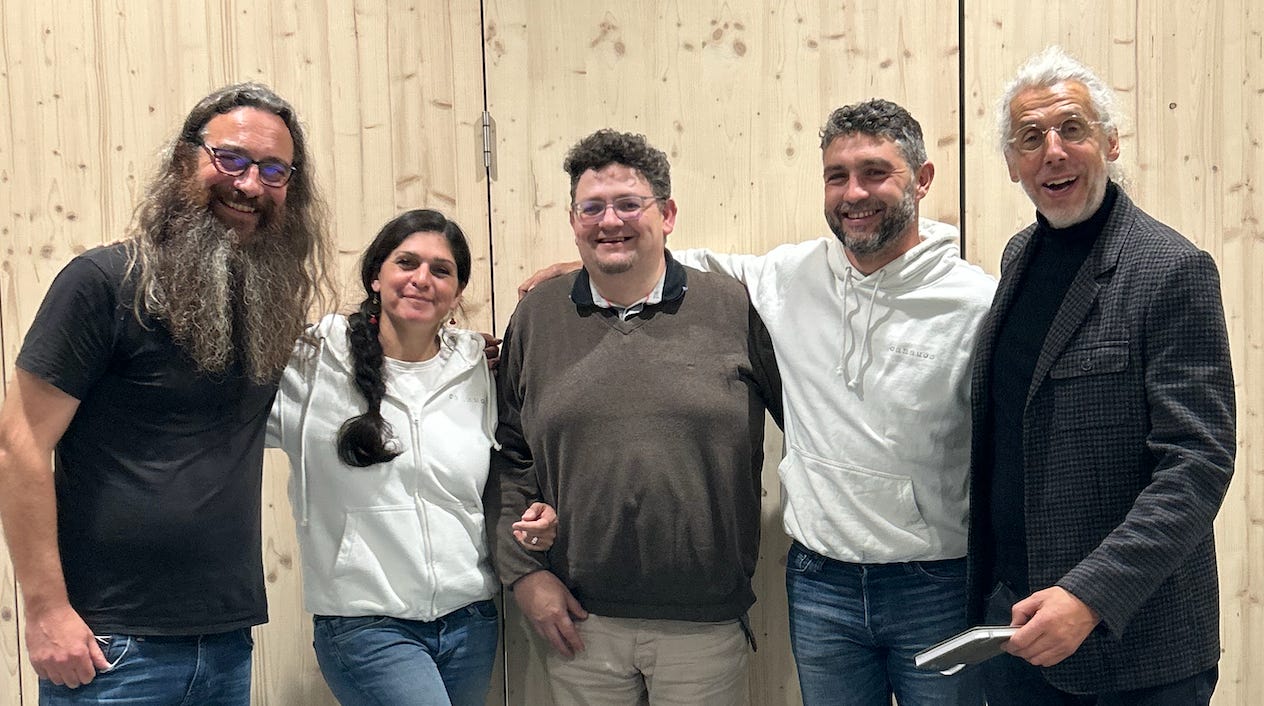
The The Experimental Farms network provides the field anchoring, real cases, and tangible substance.
The role of Bizviz: making projects investable
In this type of dynamic, the key question is not only whether a project works — but whether it can be structured.
This is where Bizviz operates: making the model readable, organizing financial flows, structuring governance, and enabling the connection with capital.
As reflected in Kurt Lehmann’s approach, a project becomes investable when it becomes understandable.
A rigorous method
The method is clear: assess the technology, the market, the team, the business model, and the impact.
Too many projects remain blocked due to an imbalance between technical strength and structural clarity.
PolyProcess follows a different path: building operational reality and investment readiness simultaneously.
The role of the The Experimental Farms network is key here, bringing real-world inputs: producers, processors, and experimentation grounds, anchoring the project in concrete use cases rather than theoretical assumptions.

What comes next
This first article sets the foundation.
The next ones will go deeper into investment strategy, structuring, partnerships, and deployment.
Structuring to transform, transforming to create value.